Found a great cookbook worthy of recommendation; that is, if you're into slow cookers: Slow Cooker, Double Dinners for Two, Cook Once, Eat Twice! by Cynthia Graubart [click here for Amazon listing].
Using cooking bags, clever Cynthia delivers a batch of recipe duos, which are to be cooked in the same slow cooker. Whether you are cooking for two, or two varying sets of taste buds, it's pretty dang convenient.
Tonight we're giving the cookbook an initial testing with recipes for 'chicken with dried fruit & mustard sauce' and 'chicken marsala with mushrooms and sage.'
Showing posts with label tips. Show all posts
Monday, March 10
Thursday, August 29
Rules of pie
- As with baking, usually best to weight ingredients such as flour to ensure accuracy.
- Baking pie is like meditation: it cannot be rushed.
- Handle dough lightly; keep it cool; bake it in a hot oven.
- Use butter, never margarine, in a pie crust. Margarine contains extra water and a bunch of other stuff that mangles your crust's chemistry.
(Shouldn't have to state this, but at times such specificity is required. I'm often asked if I use sugar substitutes or other "healthy" cheats. My answer: Never! I only make my dishes with the best ingredients I can locate.)
![]() |
| A pie bird, also called a pie funnel |
Friday, March 29
Hard-boiling eggs
- Place 12 chicken eggs in a large, nonreactive saucepan, and add cold water to 1 inch above the eggs.
- Bring to a boil over medium-high heat.
- Remove the pan from heat, and immediately cover.
- Let the eggs sit, covered, for 15 minutes, and then run cold water over the eggs in the pan until they are cooled.
- When cool, carefully peel them under running water.
Friday, January 20
Cookin' countdown
Sunday, July 24
Baking a better life
Check out our other blog, Zayante Zeal, which chronicles our adventures in combining our lives (at last!) in our new kitchen (and house on a few acres in the Santa Cruz Mountains):
Tuesday, May 24
Friday, March 18
volitional viands
New to my collection: The Fat Duck Cookbook by Heston Blumenthal. Part cookbook, part art, with lusty photography and sinful recipes.
Tuesday, January 25
tips, tricks & techniques
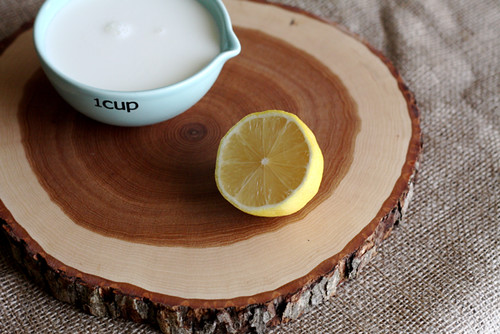
Buttermilk Substitute
Add 1 tablespoon of fresh lemon juice to a measuring cup, and fill to the 1-cup line with whole milk; let set about 5 minutes.
Tuesday, December 7
tips, tricks & techniques
My favorite is Claim #4: “Fat-free milk is much healthier than whole.”
The Truth: Nope. While you’ve probably always been told to drink reduced-fat milk, the majority of scientific studies show that drinking whole milk actually improves cholesterol levels—just not as much as drinking fat-free does. One recent exception: Danish researchers found that men who consumed a diet rich in whole milk experienced a slight increase in LDL cholesterol (six points). However, it’s worth noting that these men drank six 8-ounce glasses a day, an unusually high amount. Even so, their triglycerides—another marker of heart-disease risk—decreased by 22 percent. The bottom line: Drinking two to three glasses of milk a day, whether it’s fat-free, 2%, or whole, lowers the likelihood of both heart attack and stroke—a finding confirmed by British scientists.
Sunday, November 21
Tuesday, November 16
Monday, November 15
tips, tricks & techniques
The secret to beautiful colored berries in baked goods is proper pH. Blueberries turn reddish when exposed to acids, such as lemon juice and vinegar. Blueberries turn greenish-blue in a batter that has too much baking soda, which creates an alkaline environment.
Sunday, November 14
tips, tricks & techniques
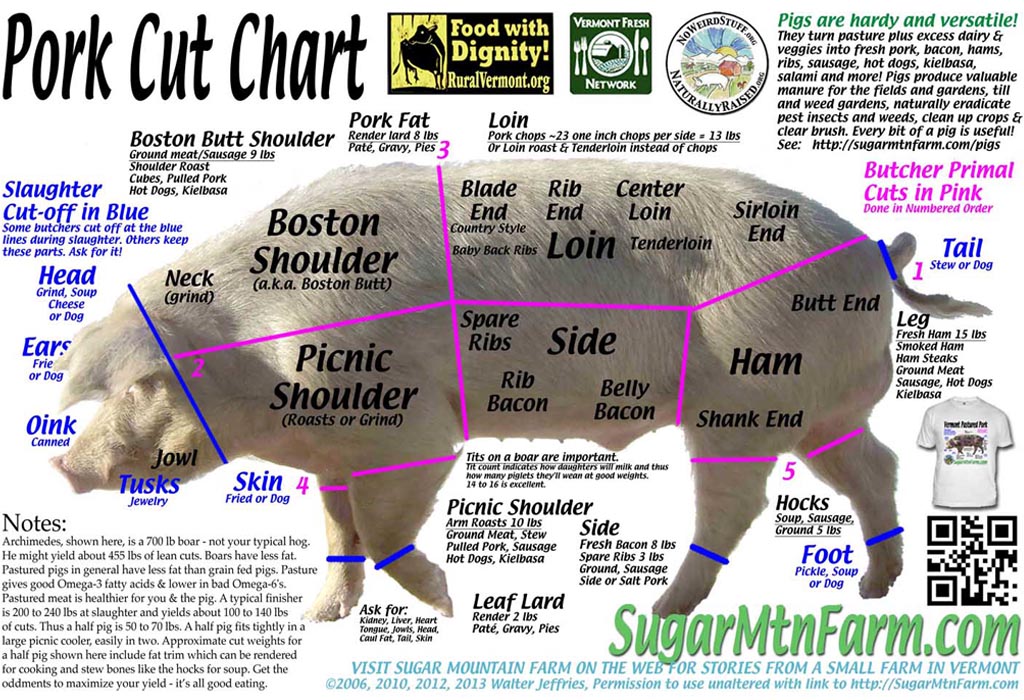
Learning the basics of where different cuts of meat come from on an animal is the beginning of understanding how to prepare it.
Not surprising, there's a meat chart for every type of animal: Meat Charts.
Friday, November 12
tips, tricks & techniques
- Preheat broiler.
- Clean the chiles thoroughly.
- Place chiles under the broiler.
- Turn once a minute until about 60 percent of the surface is blackened; about 5 to 10 minutes.
- Carefully remove from heat, place in a cooking bag, and let sweat for about 10 to 15 minutes.
- Remove the skins.
- Make a slit, and remove the seeds.
Friday, October 29
tips, tricks & techniques
Mushroom Storage
Store mushrooms in your refrigerator crisper where they can benefit from cool air circulation. Keep partially covered to prevent them from drying out, but never store packaged mushrooms without venting. Paper bags are a good storage alternative.
Most fresh mushrooms should be used within 3 days. Dried mushrooms should be soaked in hot water or part of the recipe cooking liquid for about an hour before using. Let debris sink to the bottom and use the clear remaining liquid in the recipe for additional flavor.
Mushrooms may also be canned or frozen for future use.
For recipes that use mushrooms, click here.
Wednesday, October 27
tips, tricks & techniques
Buying, Using, and Storing Pecans
To keep pecans fresh and flavorful, follow these buying and storage guidelines:
- When buying pecans, look for plump pecans that are uniform in color and size.
- Shelled pecans can be kept in the refrigerator for about nine months and for up to two years in the freezer.
- Pecans can be thawed and refrozen repeatedly during the two-year freezing period without loss of flavor or texture.
- Airtight containers, such as jars with lids, are best for storing pecans in the refrigerator.
- Sealed plastic bags are best for storing pecans in the freezer.
- In-shell pecans can be stored in a cool, dry place for six to 12 months.
- After removal from cold storage, pecans will stay good for an additional two months.
Tuesday, October 26
tips, tricks & techniques
If you haven't seen it already, check out the Botany of Desire, a PBS program based on Michael Pollan's book, in which he explores the evolution of apples, cannabis, potatoes, and tulips. To preview:
Monday, October 25
tips, tricks & techniques
As a friendly, seasonally motivated reminder:
Ensure you pick up the correct can of pumpkin while at the store! Pumpkin pie mix and 100-percent pureed pumpkin can be labeled in an identical manner. I recommend avoiding the pie mix, as the spices' intensity tends to rapidly degrade in the canned pumpkin slurry.
Also, replace any ground spices in your cabinet that's older than 6 months to ensure maximum flavor potency.
Thursday, October 21
tips, tricks & techniques
Harold McGee's 'Keys To Good Cooking' For Chefs by NPR. Audio playback of McGee's interview by Fresh Air's host Terry Gross:
Tuesday, October 19
tips, tricks & techniques
According to Julia Child--from a recently vintage '& Company' TV program viewing:
Don't flour meats for browning too soon in advance, or the flour will gunk up and won't brown as well.
Subscribe to:
Posts (Atom)